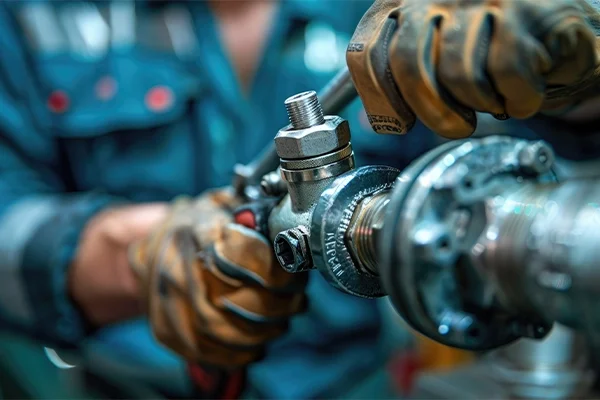
On any industrial or fishing vessel, valves are essential components for controlling fluid flow within the ship’s systems. From cooling circuits to hydraulic and fuel systems, valves regulate flow and ensure that every part of the system operates safely and efficiently.
However, when valves are not properly selected or are not designed to withstand marine conditions, they can become one of the leading causes of breakdowns in marine machinery. This case study demonstrates how the correct selection of valves helped reduce technical failures and improve the reliability of a fishing vessel’s systems.
The Problem: Repeated Failures in Piping Systems
A vessel engaged in industrial fishing began experiencing recurring problems in several of its piping systems. During technical inspections, various issues related to valve operation were detected.
The most common symptoms were:
Difficulty regulating flow in certain circuits
Small leaks at connection points
Blockages in pressurized valves
Accelerated wear of internal components
These problems particularly affected critical systems such as the refrigeration systemcritical systems such as engine cooling and certain auxiliary hydraulic circuits.
Diagnosis: Valves unsuitable for the marine environment
Following a more detailed technical inspection, it was found that several installed valves were not specifically designed for the marine environment. Some had been replaced during previous repairs with generic models that could not adequately withstand the conditions on the ship.
Factors affecting the valves’ performance included:
Constant exposure to moisture and salinity
Operating pressures exceeding recommended levels
Vibrations generated by the ship’s machinery
Sediment buildup in the circuits
All of this led to premature wear of the valves’ internal components.
The Solution: Proper Technical Selection of Valves
To resolve the issue, it was decided to conduct a complete overhaul of the ship’s valve system and replace components that did not meet the necessary specifications.
The improvements included:
1. Installation of valves designed for marine applications
Valves made of corrosion-resistant materials, specially adapted to the marine environment, were selected.
2. Selection of valve type according to the system
Each circuit required a specific type of valve depending on its function: flow control, safety shut-off, or pressure regulation.
3. Improvement of sealing systems
More durable gaskets and sealing components were installed to prevent small leaks that could affect system performance.
4. Circuit cleaning and filter inspection
The system was cleaned to remove accumulated sediment that could affect valve operation.
Results: Increased reliability of the ship’s systems
After implementing these improvements, the ship experienced a notable improvement in the performance of its technical systems.
The most notable results were:
Significant reduction in circuit leaks
Greater stability in fluid flow control
Less wear on system components
Fewer maintenance interventions during the season
In addition, the crew was able to operate the systems with greater safety and confidence, knowing that the components were designed to withstand the ship’s operating conditions.
Why Valve Selection Is Critical in Marine Machinery
Valves not only control fluid flow but also protect the system against overpressure, leaks, and operational failures. In the marine environment, where conditions are particularly demanding, choosing the right valves is essential to preventing technical problems.
Key factors to consider when selecting valves for naval applications include:
Corrosion-resistant material
Ability to operate under pressure
Compatibility with the type of fluid
Reliability of the sealing system
Ease of maintenance
Proper technical selection reduces breakdowns, improves safety, and extends the service life of the ship’s systems.
Conclusion
This case demonstrates how the right choice of valves can make a significant difference in the reliability of naval machinery. Replacing unsuitable components with valves specifically designed for the marine environment reduced breakdowns, improved system control, and optimized ship maintenance.
For those of you who work with piping and fluid control systems in the marine or industrial sectors, choosing the right valves is not just a technical matter: it is a key decision to ensure the efficiency and safety of the entire installation.
