
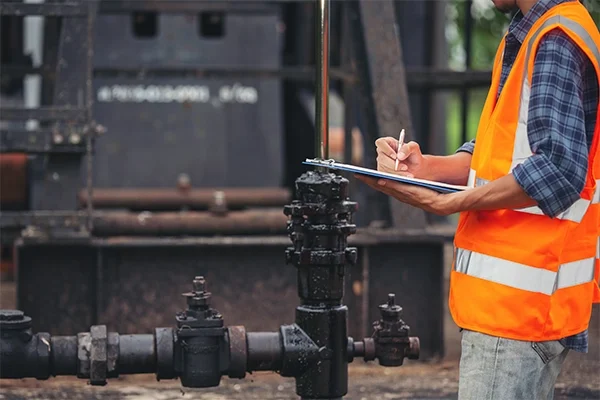
In many industrial and naval facilities, sealing systems go unnoticed until they begin to fail. Deteriorated gaskets, worn seals, or inappropriate materials can cause leaks, pressure loss, and recurring malfunctions that affect the performance of the entire facility.
This case study shows how an industrial company went from experiencing constant system failures to restoring stable operations thanks to a complete overhaul of its sealing system.
The Problem: Recurring Leaks and Pressure Losses
An industrial facility operating pressurized fluid circuits began experiencing increasingly frequent problems with its equipment. Technical inspections detected several leaks at various points in the system, particularly at pipe joints and valves.
Among the most common problems were:
Pressure loss in hydraulic circuits
Fluid leaks at joints and connections
Accelerated wear on pumps
Operational shutdowns to perform repairs
Although the leaks were temporarily resolved through adjustments or one-off replacements, the problem would resurface shortly thereafter.
Diagnosis: Deteriorated Sealing System
After a thorough inspection of the system, it was determined that much of the problem was related to the condition of the gaskets and sealing elements. Many of these components had been in service for years and had lost their original properties.
The technicians identified several factors that were affecting the system’s leak-tightness:
Gaskets that had hardened over time
Sealing materials unsuitable for the type of fluid
Constant vibrations in some pipes
Operating temperatures exceeding the specifications of some gaskets
These factors caused small leaks that, over time, led to more significant failures in the system.
The Solution: Complete Overhaul of the Sealing System
To permanently resolve the problem, it was decided to carry out a complete overhaul of the sealing components in the system’s critical areas.
The actions taken included:
1. Replacement of old gaskets
All deteriorated gaskets were removed and replaced with new ones made of materials that are more resistant to pressure, temperature, and chemicals.
2. Improvement of valve sealing systems
The system’s valves were inspected, and any internal sealing elements showing signs of wear were replaced.
3. Selection of materials appropriate for the fluid type
New materials were selected based on the type of fluid, pressure conditions, and operating temperature.
4. Inspection of contact surfaces
The surfaces where the gaskets are installed were also inspected to ensure a completely effective seal.
H2: Results: Operational Stability and Reduced Maintenance
After upgrading the sealing system, the facility began to show a clear improvement in performance.
Among the most notable results were:
Elimination of leaks in the main circuits
Stable system pressure
Significant reduction in maintenance interventions
Increased efficiency in pump and valve operation
In addition, the company was able to reduce the number of operational shutdowns for repairs, which improved the continuity of the production process.
The Importance of Periodically Inspecting Sealing Systems
Sealing systems are constantly subjected to pressure, temperature, and vibrations. Over time, materials can lose elasticity, harden, or deteriorate, compromising their sealing ability.
That is why it is important to conduct periodic inspections to detect problems before they lead to major failures.
Some recommended practices include:
Regular inspection of gaskets and seals
Checking for small leaks at connections
Preventive replacement of sealing components
Selecting appropriate materials for each application
Proper maintenance prevents major problems and helps maintain system stability.
Conclusion
This case study demonstrates how a complete overhaul of the sealing system can transform the operations of an industrial facility. Replacing deteriorated gaskets with suitable materials eliminated leaks, restored system pressure, and reduced the number of breakdowns.
For those of you who work with fluid systems in industrial or naval environments, this example highlights the importance of keeping sealing components in good condition. Proper material selection and adequate preventive maintenance are key to ensuring the efficiency and reliability of any facility.
