
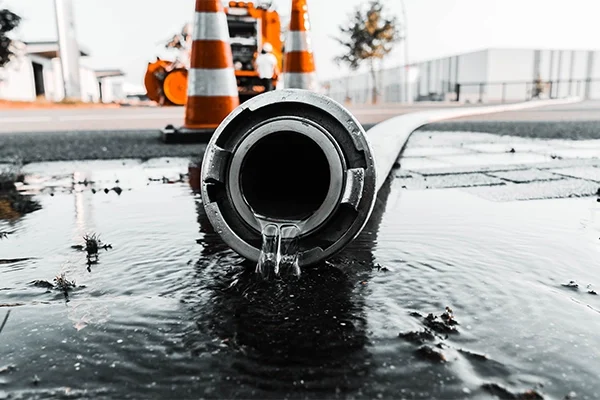
Sealing systems are fundamental to ensuring safety, efficiency, and operational continuity in naval and industrial facilities. Their main function is to prevent leaks, pressure losses, the ingress of contaminants, and failures in joints, equipment, and circuits that work with fluids, gases, or technical substances.
You know that a small leak may seem like a minor problem at first, but in demanding environments, it can quickly escalate into a major breakdown. In ships, workshops, industrial plants, and port facilities, sealing directly impacts the performance of pumps, valves, pipes, motors, hydraulic systems, cooling circuits, and auxiliary equipment.
Therefore, correctly selecting gaskets, seals, retainers, packings, flanges, and sealing materials is not just a technical matter. It is a key decision for protecting the installation, reducing risks, and preventing unexpected shutdowns.
What is a sealing system?
A sealing system consists of the elements that prevent a fluid from escaping from an installation or external agents from entering it. These elements can be found in pipe joints, valves, pumps, tanks, motors, flanges, caps, fittings, and various industrial equipment.
Their purpose is to keep the system closed, safe, and stable during operation. To achieve this, each component must be properly adapted to the pressure, temperature, fluid type, movement, vibration, and environmental conditions.
When sealing fails, leaks, performance loss, fluid contamination, corrosion, equipment damage, or risks to personnel can occur.
The Importance of Preventing Leaks in Industrial Facilities
In an industrial facility, a leak can affect much more than just the point of origin. It can cause pressure losses, reduced performance, damage to nearby components, unnecessary resource consumption, and unplanned maintenance shutdowns.
Furthermore, depending on the fluid, a leak can pose a safety risk. Oils, fuels, chemicals, steam, pressurized water, or compressed air all require reliable sealing systems to prevent incidents.
By maintaining gaskets, seals, and connections in good condition, you will reduce breakdowns and improve the overall efficiency of the installation.
Watertightness in the Marine Sector
In the marine environment, watertightness is even more critical. Ships operate under demanding conditions, with constant humidity, salinity, vibrations, temperature changes, and continuous exposure to water.
Watertight systems are essential in circuits for seawater, fuel, oil, cooling, bilge, hydraulic systems, and auxiliary equipment. A leak on board can affect the safety of the vessel, delay operations, or lead to urgent repairs.
Therefore, in marine applications, you must use materials resistant to the marine environment and compatible with the fluids circulating in each system.
Common Sealing Components
Within sealing systems, there are various components that perform specific functions. Industrial gaskets are used to seal joints between flanges, covers, valves, or equipment. Oil seals help prevent leaks in shafts or moving parts. Gaskets allow you to seal areas subjected to pressure or friction.
Sealants, technical tapes, sealing washers, and accessories that complete the assembly are also important. Each element must be selected according to the specific application, as not all materials offer the same resistance or are suitable for all fluids.
You should always consider compatibility, pressure, temperature, and operating conditions before choosing a sealing solution.
How to Choose Suitable Sealing Materials
To correctly select a sealing system, it is necessary to analyze the operating environment. It is not enough for a gasket or seal to fit physically. It must also withstand the actual conditions of the installation.
You must consider the type of fluid, the operating pressure, the temperature, exposure to chemicals, the presence of vibrations, the movement of parts, and the external environment. In marine installations, resistance to humidity and corrosion is especially important.
Choosing an unsuitable material can lead to deformation, hardening, loss of elasticity, premature wear, or repeated leaks.
Preventive Maintenance of Sealing Systems
Sealing systems also require periodic inspection. Over time, gaskets, seals, and retainers can deteriorate due to pressure, temperature, friction, aging, or exposure to aggressive fluids.
Some warning signs include fluid staining, pressure loss, and moisture around the seals.
Signs of a problem include a loose joint, corrosion, unusual noises, leaks, or the need for frequent retightening. If you notice these symptoms, it’s best to act before the problem worsens.
Replacing a gasket in time is usually much simpler and cheaper than repairing a leak caused by an uncontrolled leak.
The Value of a Specialized Supplier
A supplier specializing in sealing systems and industrial supplies can help you choose the most suitable solution for each application. Technical expertise is important because many parts may look similar but behave very differently depending on the fluid, pressure, or environment.
Consulting with a supplier allows you to avoid selection errors, find compatible materials, and have spare parts available when needed. In marine and industrial maintenance, rapid response is also key to minimizing downtime.
Furthermore, a specialized supplier can help you maintain a basic stock of gaskets, seals, retainers, and sealing materials to respond quickly to common issues.
Conclusion
Sealing systems are essential in marine and industrial installations because they prevent leaks, maintain pressure, protect equipment, and improve operational safety. Gaskets, seals, retainers, packings, and sealing materials play a critical role in circuits subjected to pressure, temperature, vibration, and continuous use.
By choosing appropriate materials, regularly checking their condition, and seeking expert advice, you will reduce risks, prevent breakdowns, and extend the lifespan of your installations. In industrial and marine environments, good sealing is not just a detail: it is a guarantee of safe and efficient operation.
