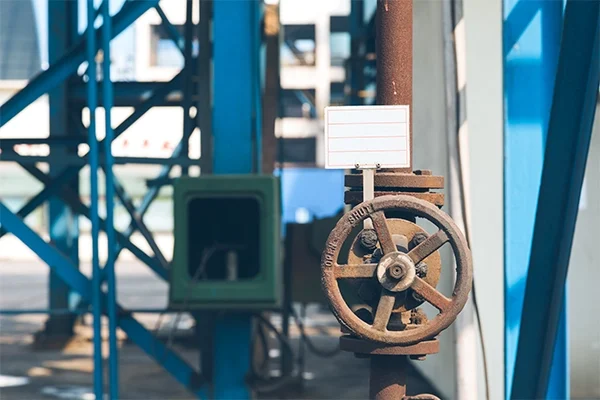
Industrial valves are essential components in many piping and fluid control systems. Their function is to regulate, stop, or direct the flow of liquids and gases within industrial or naval facilities. When a valve fails, it can cause leaks, pressure loss, or even the shutdown of entire pieces of equipment.
Therefore, learning to detect early signs of failure in industrial valves is key to avoiding major breakdowns. Those of you who work with fluid systems know that a small, timely check can prevent costly repairs and operational downtime.
In this article, we will look at how to identify potential valve problems before they become major failures.
Changes in system pressure
One of the first indicators that a valve may be failing is an unexpected variation in system pressure. When a valve does not open or close properly, the fluid flow can be disrupted.
Among the most common symptoms are:
Loss of pressure in the circuit
Irregular fluctuations in flow
Difficulty maintaining a stable pressure level
If you notice these changes, it is advisable to check the condition of the system’s valves to see if any are worn or blocked.
Visible leaks in connections or valve bodies
Leaks are one of the most obvious signs that a valve may need maintenance or replacement. These leaks can occur in both the connections and the valve body itself.
Some signs that may indicate a problem include:
Presence of moisture or fluid in the connections
Constant dripping from the valve body
Residue or stains around the system
In many cases, leaks are related to wear and tear on gaskets or sealing elements.
Difficulty operating the valve
Another important sign is when a valve becomes difficult to operate or does not respond correctly. This may be due to residue buildup, internal corrosion, or component wear.
The most common symptoms include:
Greater effort required to open or close the valve
Irregular movement of the mechanism
Partial blockages when attempting to operate it
When this type of problem occurs, it is advisable to check the inside of the valve for possible obstructions or wear.
Abnormal noise or vibrations
Valves in good condition usually operate quietly. If you begin to hear unusual noises or vibrations near a valve, it may be a sign that something is not working properly.
These sounds may be caused by:
Turbulent flow due to faulty closure
Worn internal components
Accumulation of particles in the system
Early inspection can prevent further damage to the piping system.
H2: Sediment or residue buildup
Many industrial systems circulate fluids that contain small particles. Over time, these particles can accumulate in valves and affect their operation.
If you observe:
Reduced flow in certain sections
Frequent obstructions
Residue accumulated inside the valves
it may be necessary to clean the system or check the condition of the filter.
Regular inspections to prevent breakdowns
The best way to prevent industrial valve failures is to carry out regular inspections as part of preventive maintenance.
Some recommended practices include:
Visually inspecting valves and connections
Checking the condition of gaskets and sealing systems
Monitoring system pressure and flow
Cleaning or replacing components when necessary
These checks allow problems to be detected before they affect the overall operation of the installation.
Industrial valves play a key role in controlling fluids within industrial and naval facilities. Detecting early signs of failure, such as leaks, pressure changes, or difficulty in operation, allows for timely intervention and prevents more serious breakdowns.
For those of you who work with piping and fluid control systems, incorporating regular inspections and using quality components is essential to maintaining the efficiency and safety of your equipment. With proper monitoring, it is possible to extend the service life of valves and ensure the proper functioning of the entire installation.
