
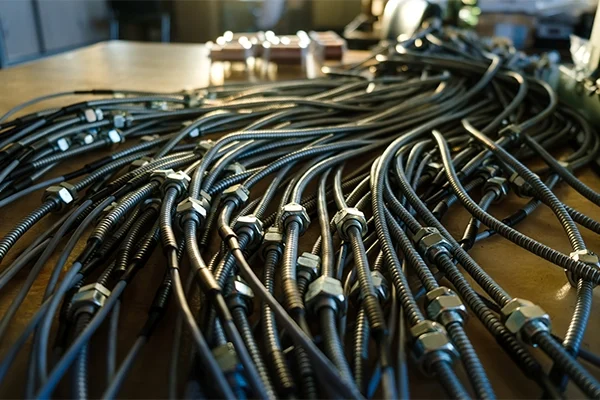
Industrial hardware is a fundamental part of daily work in workshops, ships, shipyards, port facilities, and industrial environments. Although often associated only with tools or small consumables, it actually encompasses a wide variety of supplies that allow for safe and efficient maintenance, repair, assembly, and adjustment tasks.
You know that in the naval and industrial sectors, there isn’t always room for improvisation. A tool that doesn’t work, a missing clamp, an inadequate fastener, or a depleted consumable can delay an intervention and affect the entire operation. Therefore, having reliable industrial hardware supplies is key to maintaining the pace of work and avoiding unnecessary downtime.
The Importance of Industrial Hardware in Daily Maintenance
In workshops and on ships, maintenance is part of the daily routine. Adjusting a connection, replacing a part, reinforcing a fastener, cutting material, sealing a joint, or inspecting an installation are common tasks that require the right tools and materials.
Industrial hardware allows you to respond to these needs quickly. It’s not just about having products available, but about having durable supplies that are compatible with the work environment and ready for intensive use.
When you’re working in demanding environments, such as port areas or on ships, the quality of these materials becomes even more important. Humidity, salinity, vibrations, and continuous wear can affect tools, screws, clamps, flanges, and accessories if they aren’t designed to withstand those conditions.
Professional Tools for Demanding Jobs
Tools are one of the cornerstones of industrial hardware. Wrenches, pliers, screwdrivers, cutting tools, measuring equipment, tightening tools, and specialized tools for assembly or repair must offer precision, durability, and ease of use.
In a workshop or on board a ship, a low-quality tool can cause delays, shoddy workmanship, or even risks to the operator. That’s why choosing professional tools helps improve safety and efficiency in every job.
You’ll see that a good tool not only lasts longer, but also allows you to work better. Reduce effort, prevent damage to parts, and facilitate faster repairs.
Fasteners: Small Parts with Big Responsibility
Screws, nuts, washers, clamps, flanges, and other fasteners are essential supplies in any industrial environment. Although they may seem like minor parts, their function is critical: holding components together, securing installations, and preventing unwanted movement.
In the marine sector, these fasteners must withstand vibrations, humidity, exposure to the marine environment, and constant mechanical stress. Improper fastening can loosen, corrode, or fail prematurely, leading to safety and maintenance issues.
Therefore, when choosing fasteners, you must consider the material, strength, size, application type, and environmental conditions. A small part can have a huge impact on the reliability of the entire installation.
Essential Industrial Consumables
Industrial hardware also includes consumables that are used constantly in maintenance and repair tasks. Lubricants, adhesives, sealants, cutting discs, drill bits, technical tapes, cleaning products, greases, protective sprays, and other auxiliary materials are part of daily work.
These products help to perform quick interventions, protect equipment, improve finishes, and ensure the proper functioning of various installations. If you don’t have these consumables on hand when you need them, a simple task can turn into an unnecessary delay.
Maintaining a basic and organized stock of industrial consumables allows you to work more efficiently and reduces emergency purchases.
Industrial Hardware for Ships and Naval Environments
Ships require particularly durable supplies. Exposure to saltwater, constant humidity, and intensive working conditions make the choice of materials especially important.
In this context, industrial hardware must not only cover general needs but also meet the demands of the naval environment. Heavy-duty tools, appropriate fasteners, flanges, clamps, sealing products, lubricants, and accessories must be ready to offer durability and safety.
When working on a vessel, having the right supplies on hand allows you to resolve issues quickly and prevent minor problems from affecting the ship’s operations.
Stock organization in workshops and on vessels
A good supply depends not only on buying quality materials. It’s also important to have them well organized. In workshops and on ships, having a clear stock of tools, screws, flanges, clamps, consumables, and accessories saves time during every operation.
You can classify materials by type of use, size, frequency of consumption, or the system they belong to. This makes it easier to quickly locate what you need and avoids duplicate purchases or shortages at critical times.
A well-managed stock helps you work more efficiently, improves maintenance planning, and reduces the risk of halting a repair due to a missing part.
The advantage of having a specialized supplier
A supplier specializing in industrial hardware offers much more than just products. They also provide advice, availability, quick response times, and knowledge of the real needs of workshops, ships, and industrial facilities.
Choosing the right tool, fastener, or consumable isn’t always easy. That’s why having technical support helps you avoid purchasing errors and select materials compatible with each application.
Furthermore, an experienced supplier can help you plan your inventory, identify frequently used products, and respond quickly when an urgent need arises. In sectors where time is of the essence, this responsiveness makes all the difference.
Conclusion
Industrial hardware is essential for daily work in workshops and on ships. Professional tools, fasteners, consumables, cable ties, clamps, and accessories allow for safer, faster, and more efficient maintenance and repair tasks.
By choosing quality supplies and a specialized supplier, you will reduce risks, avoid delays, and improve the operational continuity of your facilities. In industrial and marine environments, every tool and every part counts.
