
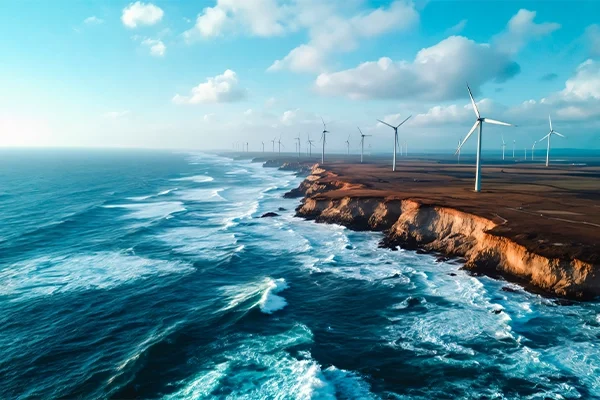
The shipping industry, traditionally associated with intensive use of fossil fuels, is undergoing a major transformation. In recent years, the transition to cleaner energies has become a global priority, driven by international regulations and the need to reduce the environmental impact of shipping. You, who know the power of the sea and the challenges facing the industry, understand that adapting to this change is key to maintaining competitiveness and ensuring a responsible future.
The sea remains the great highway of world trade, but now the challenge is not only to transport goods efficiently, but to do so while respecting the environment.
The urgency of maritime decarbonization
The International Maritime Organization (IMO) has set ambitious targets for reducing greenhouse gas emissions in maritime transport. To meet these targets, the sector is adopting new technologies and energy sources that minimize its carbon footprint.
Shipyards and shipping companies are investing in hybrid engines, biofuels, and electric propulsion systems. These innovations not only reduce emissions but also improve energy efficiency and lower long-term operating costs.
Alternative fuels: the energy revolution at sea
Among the most promising alternatives are liquefied natural gas (LNG), hydrogen, and green ammonia. LNG has established itself as an intermediate option that significantly reduces sulfur and nitrogen oxide emissions.
Hydrogen, meanwhile, represents the future of emission-free maritime propulsion, although its adoption requires adequate port infrastructure and advances in storage. In the coming years, you will see more experimental vessels integrating this type of technology, paving the way for truly sustainable navigation.
Innovation in boat design and maintenance
Changing fuel is not enough: efficiency starts with design. New aerodynamic hulls, optimized propellers, and lightweight materials are reducing the energy consumption of modern vessels.
In addition, eco-friendly maintenance is gaining prominence. The use of less polluting anti-fouling paints, cleaning systems without aggressive chemicals, and responsible waste management on board are practices that make a difference. You, who work directly with these materials, know that every technical improvement adds to overall performance and environmental protection.
Wind and solar energy in modern shipping
Wind energy, as old as shipping itself, is making a comeback in a more advanced form. Today, automated rigid sails, Flettner rotors, and wind assistance systems are being developed that significantly reduce fuel consumption on long voyages.
Added to this are marine solar panels, capable of supplying power to on-board electrical systems and reducing dependence on diesel generators. The combination of both technologies is transforming the efficiency of new-generation ships.
Ports as centers of sustainability
The energy transition affects not only ships, but also ports. Major maritime enclaves are adapting their infrastructure to offer electric charging points, LNG supply systems, and eco-friendly maintenance areas.
These smart ports, equipped with environmental control and energy management technology, are becoming true hubs of innovation. Thanks to them, ships can operate with lower emissions even while docked.
Conclusion
The path to sustainability in the shipping industry is already underway. Alternative fuels, design efficiency, renewable energies, and green ports are the new pillars of this blue revolution.
You, professionals of the sea and industry, are a fundamental part of this change. Sailing towards a cleaner future is not only a technical goal, but also a shared responsibility with the planet. Innovation and environmental awareness will set the course for a new era in naval history.
