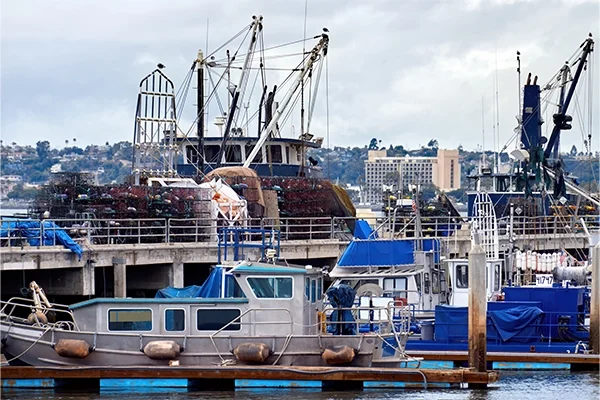
Fishing vessels operate under demanding conditions, where the durability of the equipment, the safety of the crew, and the continuity of operations depend directly on the supplies you carry on board. Whether you operate in tuna fleets, trawler fleets, or purse seine fleets, having the right supplies is essential to avoid unnecessary downtime, ensure efficient fishing, and comply with current regulations.
You’ll find that, in an industry as competitive as fishing, quick response times and the quality of supplies make the difference between a successful day and a setback that affects production.
Essential Tools and Hardware
A fishing vessel must be prepared to handle unexpected issues while at sea. That’s why carrying durable, specialized tools is essential. Among the items that must always be on board are:
Adjustable and socket wrenches
Industrial screwdrivers
Wire cutters, saws, and pliers
Hammers and sledgehammers of various sizes
Portable equipment for emergency repairs
These tools allow for quick repairs, adapt to sudden changes in machinery, and ensure the boat remains operational throughout the day.
Valves and Instrumentation Components for Safe Control
The hydraulic and mechanical systems of a fishing vessel are subject to constant wear and tear due to heavy loads and harsh marine conditions. For this reason, having spare valves and instrumentation components on board is essential.
Ball, gate, and check valves ensure the proper functioning of the circuits. Meanwhile, reliable pressure gauges and thermometers allow you to monitor pressure, temperature, and flow in real time, helping you anticipate failures and prevent major breakdowns.
Having precise instrumentation not only improves efficiency but also enhances crew safety.
Gaskets, Flanges, and Sealing Parts
Sealing systems are critical on any fishing vessel. A small leak can become a serious problem if not addressed in time. Therefore, carrying a stock of gaskets, flanges, seals, and sealing materials is essential.
You’ll find that the right gaskets ensure a secure seal and the proper functioning of engines, pumps, and hydraulic systems. Additionally, flanges and fasteners help keep equipment secure and protected against constant vibrations and movement.
Filtration Media and Maintenance Parts
Filtration is essential for protecting a boat’s machinery from impurities, debris, and particles found in the marine environment. Oil, fuel, and water filters should be checked regularly and, in many cases, replaced while underway.
That’s why carrying spare filters, sediment traps, and related components helps prevent engine damage, reduce fuel consumption, and keep the vessel operating at peak performance.
Proper maintenance—and the right spare parts—extends the system’s service life and prevents unexpected downtime in the middle of a fishing trip.
Safety equipment and additional supplies
In addition to technical components, a fishing vessel should always carry supplies designed to ensure crew safety and overall efficiency:
High-strength cables and ropes
Gloves, waterproof clothing, and PPE
Emergency lighting
Specialized lubricants and oils
Cutting tools for nets and ropes
These items help maintain a safe working environment and ensure the boat is prepared for any unforeseen incidents on board.
Conclusion
Essential supplies for fishing vessels are not just an afterthought—they are the foundation that underpins the operational readiness, safety, and efficiency of your entire fleet.
Having the right tools, certified valves, reliable instrumentation, gaskets, flanges, and filtration systems on board ensures that your vessel can respond quickly to any situation.
Good supply planning prevents setbacks, reduces costs, and ensures that you can focus on what really matters: productive and safe fishing.
