In the fishing industry, operational efficiency is key to ensuring the profitability of each season. When a fleet works in demanding conditions and for long periods at sea, any breakdown or technical failure can cause delays, financial losses, and significant logistical problems. That is why having a specialized technical supply makes a decisive difference.
This case study shows how a fishing fleet managed to improve its daily operations, reduce breakdowns, and optimize maintenance times thanks to more efficient management of its industrial supplies.
The challenge: frequent breakdowns and lack of suitable spare parts
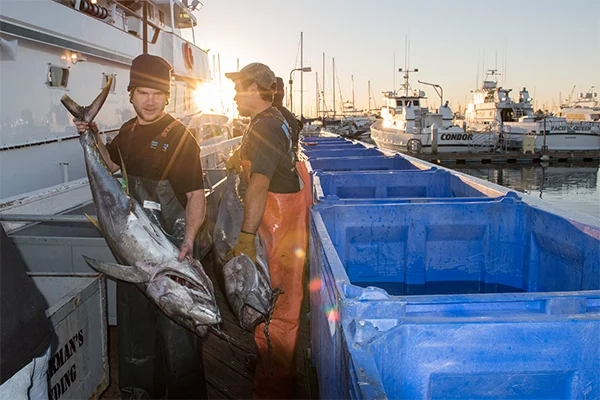
An industrial fishing fleet operated several tuna boats that carried out long campaigns. Although the vessels were well equipped, there was a recurring problem: the lack of immediate availability of certain technical components.
The main drawbacks were:
Delays in repairs due to a lack of spare parts
Use of parts not specifically designed for naval applications
Repeated breakdowns in hydraulic and cooling systems
Difficulty in finding specialized supplies quickly
This led to operational downtime, increased maintenance costs, and pressure on the technical teams responsible for repairs.
The solution: technical supplies tailored to the naval sector
To solve these problems, the fleet began working with a supplier specializing in industrial and naval supplies. The goal was to ensure the availability of suitable components and improve the maintenance management of the ships.
The new approach included:
Supply of valves, gaskets, and sealing elements suitable for marine applications.
Rapid availability of critical parts for urgent repairs.
Selection of materials resistant to corrosion, pressure, and vibration.
Technical advice on choosing more durable components.
This change made it possible to standardize many parts used in the fleet, facilitating maintenance and reducing the time needed to carry out repairs.
Results: greater efficiency and fewer operational stoppages
After implementing these improvements in technical supply, the fleet began to see clear results in its operations.
Main improvements achieved:
Reduction in recurring faults in hydraulic and cooling systems.
Decrease in repair time in port.
Greater availability of vessels during the season.
Better preventive maintenance planning.
With the right components and a reliable supply, technical teams were able to carry out faster and more effective repairs.
The importance of using the right components in the marine environment
The marine environment is particularly demanding for machinery. Factors such as salinity, constant humidity, engine vibrations, and temperature variations can seriously affect mechanical components.
For this reason, using parts specifically designed for marine applications is essential.
Among the most critical elements are:
Corrosion-resistant valves
Juntas y sistemas de estanqueidad preparados para presión y vibración
Filtros adecuados para fluidos y combustibles
Elementos de fijación y ferretería de alta resistencia
Elegir componentes de calidad ayuda a evitar fallos prematuros y mejora la fiabilidad general de los sistemas del barco.
Un suministro eficiente mejora toda la cadena operativa
Más allá de las piezas en sí, la gestión del suministro también influye directamente en la operativa de una flota. Cuando los repuestos llegan a tiempo y se adaptan correctamente a las necesidades técnicas, el trabajo de los equipos de mantenimiento se vuelve mucho más eficiente.
Esto permite:
Better plan technical interventions
Reduce vessel downtime
Avoid improvised repairs
Optimize maintenance costs
In an industry where every fishing day counts, these improvements can have a significant impact on the season’s results.
Conclusion
This case study demonstrates how specialized technical support can transform the operations of a fishing fleet. Having the right components at the right time not only reduces breakdowns and costs, but also improves the efficiency and safety of vessels.
If you work in the marine or industrial sector, having a technical supply provider who understands the real needs of your work can make a big difference to the reliability of your systems and the continuity of your operations.
