
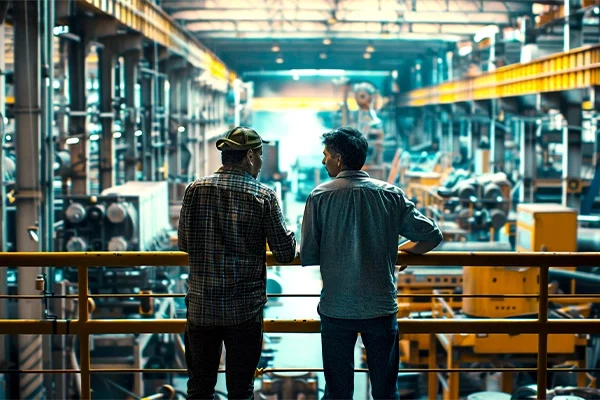
At the heart of any workshop, factory, or industrial plant, hardware is much more than just a set of tools: it is the nervous system that connects every production process. From fasteners to cutting and assembly machines, industrial hardware is the foundation on which precision, efficiency, and safety are built.
Those of you who work daily with screws, clamps, and impact wrenches know that a quality tool not only speeds up the job, but also makes the difference between an improvised and a professional result. Hardware is, in short, the silent fulcrum that supports the entire industrial operation.
The essential role of hardware in today’s industry
In an environment where competitiveness and delivery times are increasingly demanding, having a well-structured hardware system ensures a constant flow of materials and continuity of production.
Industrial hardware stores do not just supply products, they provide solutions. Each component—whether it is a hardened steel screw, a pressure washer, or a pneumatic tool—is designed to withstand extreme conditions and ensure maximum durability.
In addition, the correct selection of materials and supplies reduces operating costs, prevents unexpected downtime, and contributes to more efficient maintenance.
Tools and machinery: precision at the service of efficiency
Industrial tools have evolved to offer greater power, ergonomics, and control. Torque wrenches, electric drills, precision saws, and pneumatic guns are part of the daily arsenal in workshops and production plants.
The incorporation of state-of-the-art machinery allows for faster and more precise work, reducing operator fatigue and improving safety. You will have noticed how a well-calibrated tool can increase productivity and the final quality of the work.
Fastening elements: small components, big results
Fastening elements—screws, nuts, bolts, washers, anchors—are the unsung heroes of industrial hardware. Although their size may seem insignificant, they are what guarantee the structural stability and proper functioning of every piece of equipment or assembly.
The choice of material and type of coating is essential to prevent corrosion, especially in environments with humidity, heat, or exposure to chemicals. Galvanized, phosphated, or stainless steel finishes provide long-term strength and reliability.
Safety and ergonomics: pillars of industrial work
In modern industry, safety is an indisputable priority. That is why industrial hardware stores offer not only tools, but also personal and occupational safety solutions: gloves, dielectric footwear, goggles, helmets, harnesses, and fire-resistant clothing.
In addition, the ergonomic design of tools has taken center stage. Non-slip handles, anti-vibration systems, and quick-lock mechanisms help minimize the risk of injury and improve comfort during long working hours.
The smart hardware store: innovation and digitization
The future of industrial hardware stores is moving towards digital inventory management, automated stock control, and integration with online purchasing systems. This allows companies to optimize resources and maintain a constant supply without interruptions.
Digital catalogs, QR codes, and product traceability facilitate the quick and accurate identification of each item, ensuring immediate availability and reducing human error in logistics.
