
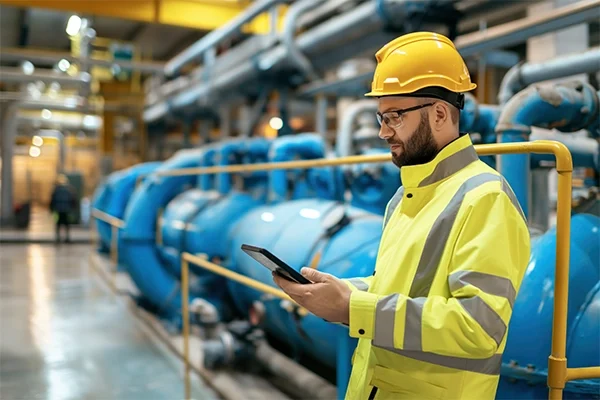
The industrial hardware sector is undergoing a quiet but profound transformation. As you know, it is no longer just about offering durable tools and parts, but also about integrating technology, digitalization, and new forms of management. The modernization of the sector responds to the need to adapt to more demanding, faster, and more globalized industries.
Digitization in the product catalog
The first major trend is the digitization of hardware catalogs. You will see that leading companies are no longer limited to a paper list, but offer online platforms where you can check availability, technical characteristics, and quality certificates in real time.
This not only facilitates purchasing, but also saves time in the selection of materials, allowing project managers to plan more accurately.
Automation in logistics and distribution processes
One of the aspects that is having the greatest impact is the automation of logistics. Those of you who manage operations know how crucial it is to receive supplies on time. Digital management systems allow for more efficient stock control, reducing the risk of delays.
The implementation of smart warehouses and real-time traceability are now a reality for modern industrial hardware suppliers.
Smart, connected tools
Technological innovation has even reached products. You will find power tools with sensors that monitor usage and warn when maintenance is required. This functionality extends the useful life of the equipment and ensures consistent performance.
In some cases, it is even possible to connect these tools to mobile applications to keep detailed track of consumption, frequency of use, and replacement needs.
Customization as added value
Every industrial project has unique requirements, and the hardware store of the future knows this. You will have seen how the trend towards customized parts, tailored to the specific needs of a customer, is growing.
From specific fasteners to custom-designed accessories, the ability to offer customized solutions is now a key differentiator in the industry.
Digitalized sustainability
Sustainability is also driven by technology. You will see that digital management systems allow you to calculate the carbon footprint of each supply and optimize the resources used.
In addition, recycled or environmentally certified materials are integrated into online catalogs, so you can easily select the most responsible options for your projects.
Conclusion
Industrial hardware stores are evolving towards a more digital, agile, and sustainable model. Those of you who work in this sector know that the incorporation of smart tools, logistics automation, and product customization are no longer optional advantages, but requirements for remaining competitive.
The future points towards a more connected industrial hardware store, where technological innovation and sustainability will go hand in hand to respond to the challenges of modern industry.
